The right people do the right thing.
Without me in the room.
That is the product. Not the picture, the prompt, or the persona slide. IGRAPHI turns complex evidence into reports, presentations, visual systems, and digital tools that the teams behind development finance, disaster risk, and public health can understand, trust, and act on.
AI does the volume: the options, the first drafts, the comparisons. I do the judgment: what matters, what is true, and what is worth putting in front of the room. Human-led, evidence-based, accountable to you.
Strategic communication · Evidence intelligence · Knowledge products · AI-enabled workflows · Brand and digital systems
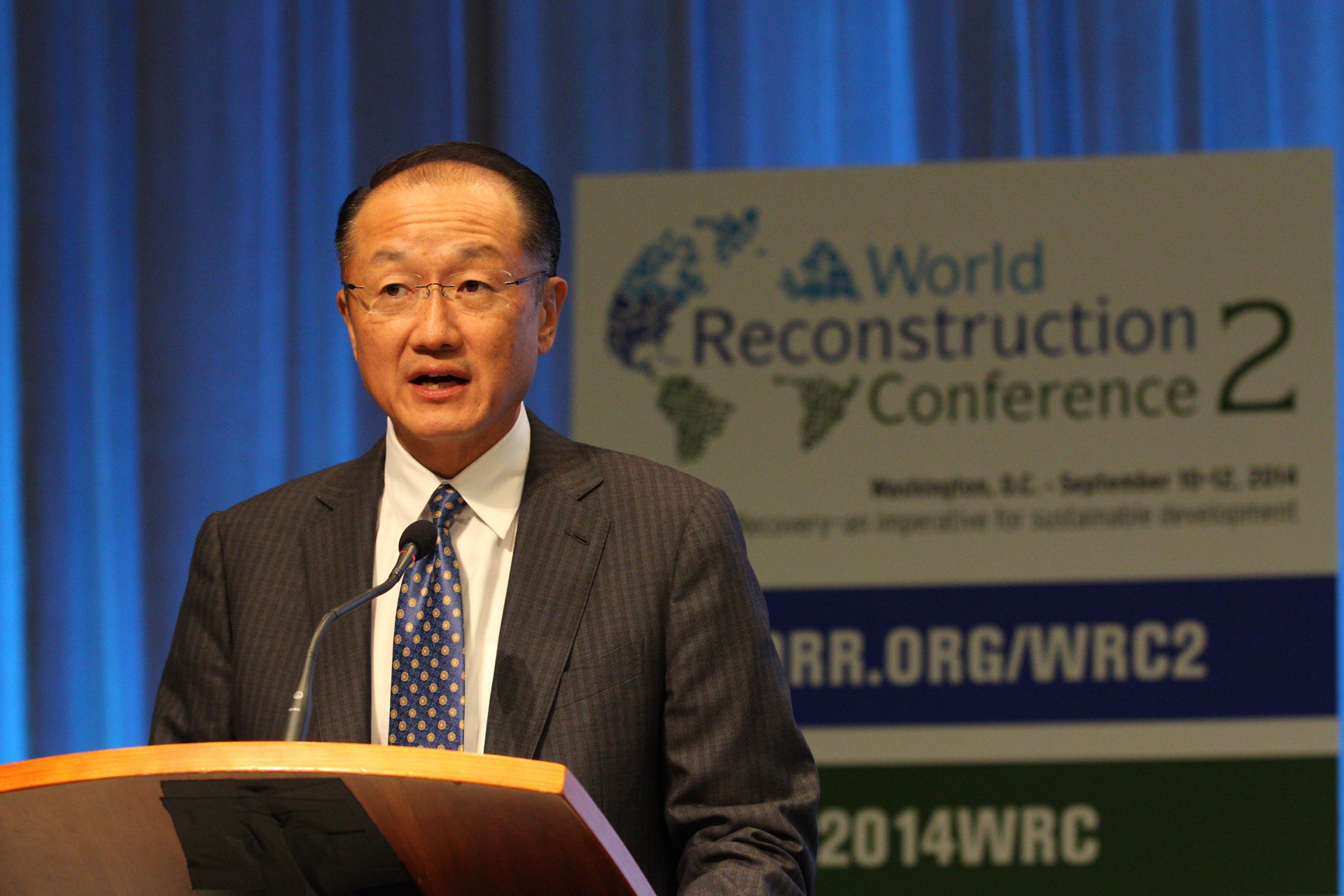
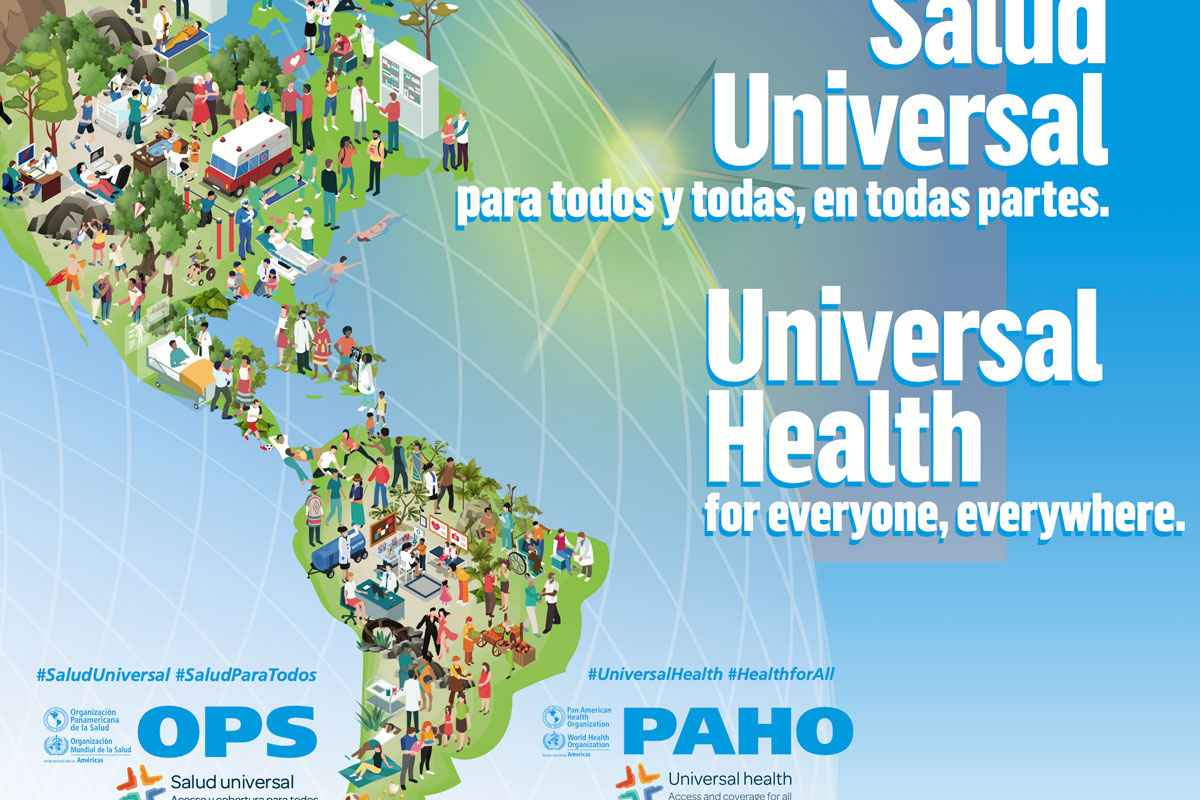
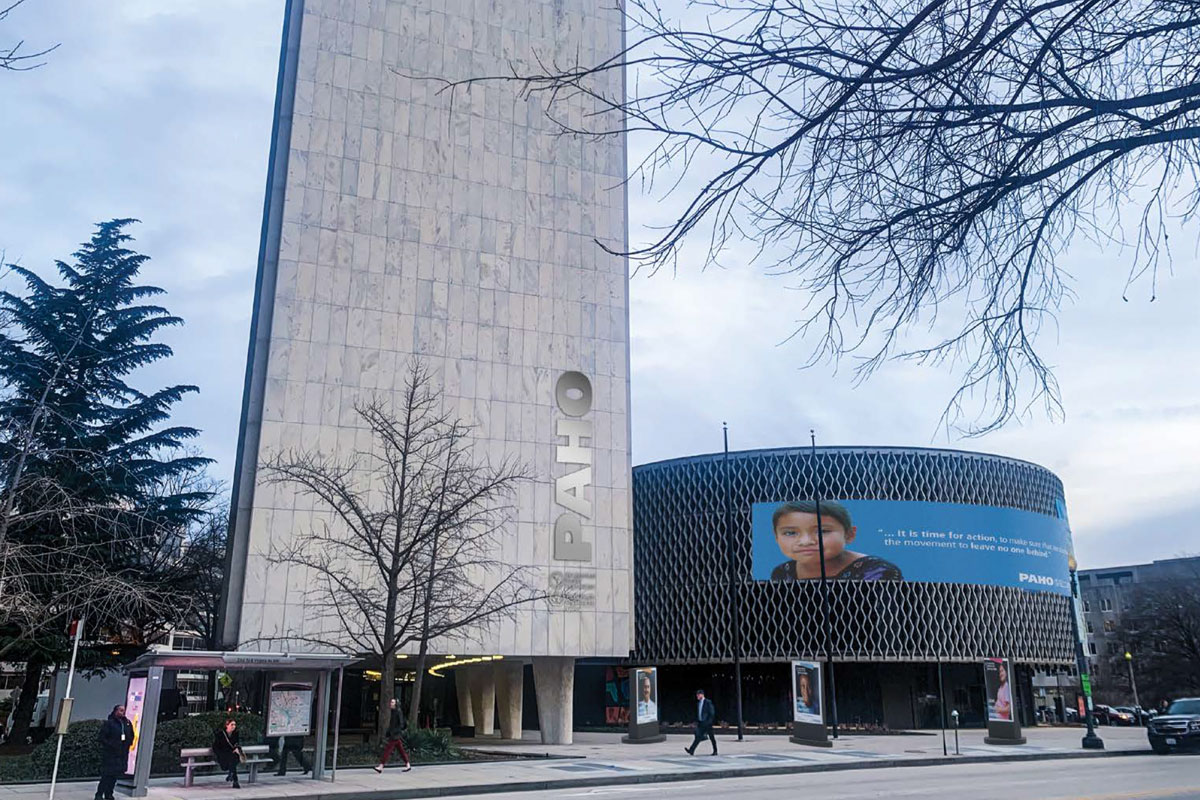
World Bank · GFDRR · PAHO/WHO · IDB · IMF
25+ years of relevant experience · Washington, DC · Human-led and evidence-based
The IGRAPHI Clarity System
Seven steps, in this order, on every engagement. AI works in the middle. People own both ends. Nothing ships until a human has checked it against the evidence and a real reader.
- Human01Human purpose
Who has to decide what, and what changes for them if the work succeeds.
- Source02Evidence
Approved data, documents, interviews, and context. Claims start here or they do not start.
- AI works here03AI-assisted interrogation
Models compare, question, and organize the material and produce options. Their output is working material, not a verdict.
- Human04Verification
Facts, sources, calculations, quotations, and contradictions checked against the approved evidence.
- Human05Human interpretation
Subject knowledge, cultural awareness, editorial judgment, and the politics of the room.
- Craft + AI06Communication design
Findings become narratives, reports, presentations, visualizations, and digital experiences, then get tested on real readers.
- Human07Accountable delivery
Final human review. Delivered with visible sourcing and stated limits.
Governance rule. AI accelerates the work. Evidence grounds it. Human judgment governs it. No single model is treated as the authority, and nothing generated is final until it has been checked against approved sources and reviewed by me.
See the seven steps on a real project →Human experience. Evidence. Trust.
I am Vladimir Herrera. I have spent more than twenty-five years making complex work clear, credible, and useful, seventeen of them with World Bank teams. IGRAPHI is that practice, now with AI on staff.
The work: technical evidence, institutional priorities, and human consequences turned into reports, presentations, visual systems, digital products, and evidence platforms that people can actually use.
AI-enabled workflows give me more range and more speed. I stay responsible for meaning, accuracy, cultural context, and final quality. That is not a disclaimer. It is the job.
Do not outsource wanting. Do not design only for the file. Do not confuse generation with judgment.
The product is whether the right people can do the right thing without me standing there explaining it. AI makes patterns and options visible. Experience design tests whether those options survive contact with real people. More than twenty-five years of graphic craft makes what survives worth putting in front of them.
Read the manifesto →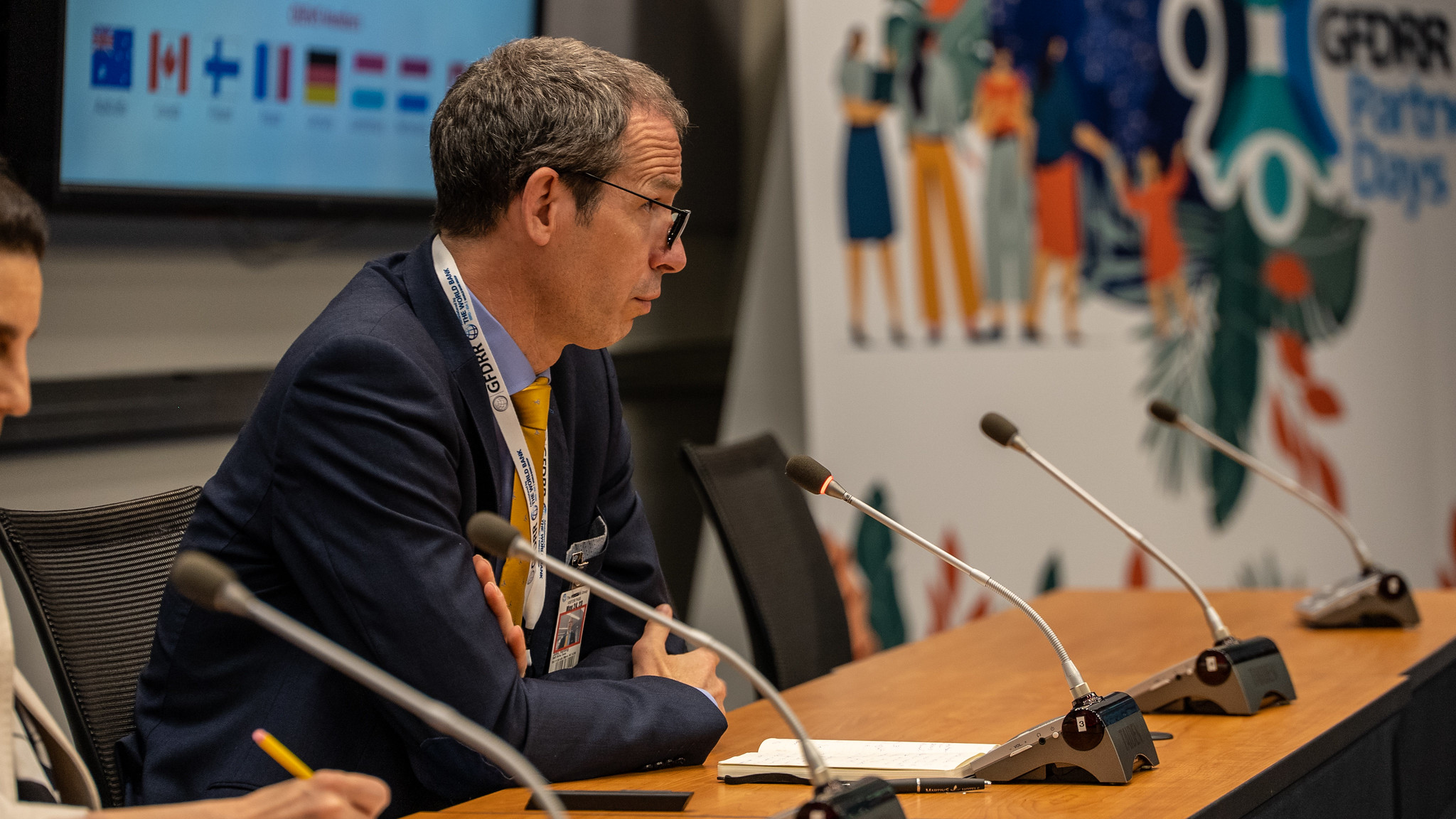
AI is staff. Human judgment directs.
I do not add AI for novelty. I use it where it helps people examine evidence, understand complexity, and finish important work. Every system starts with a human purpose, runs on approved sources, and ends with human review.
See all the AI work →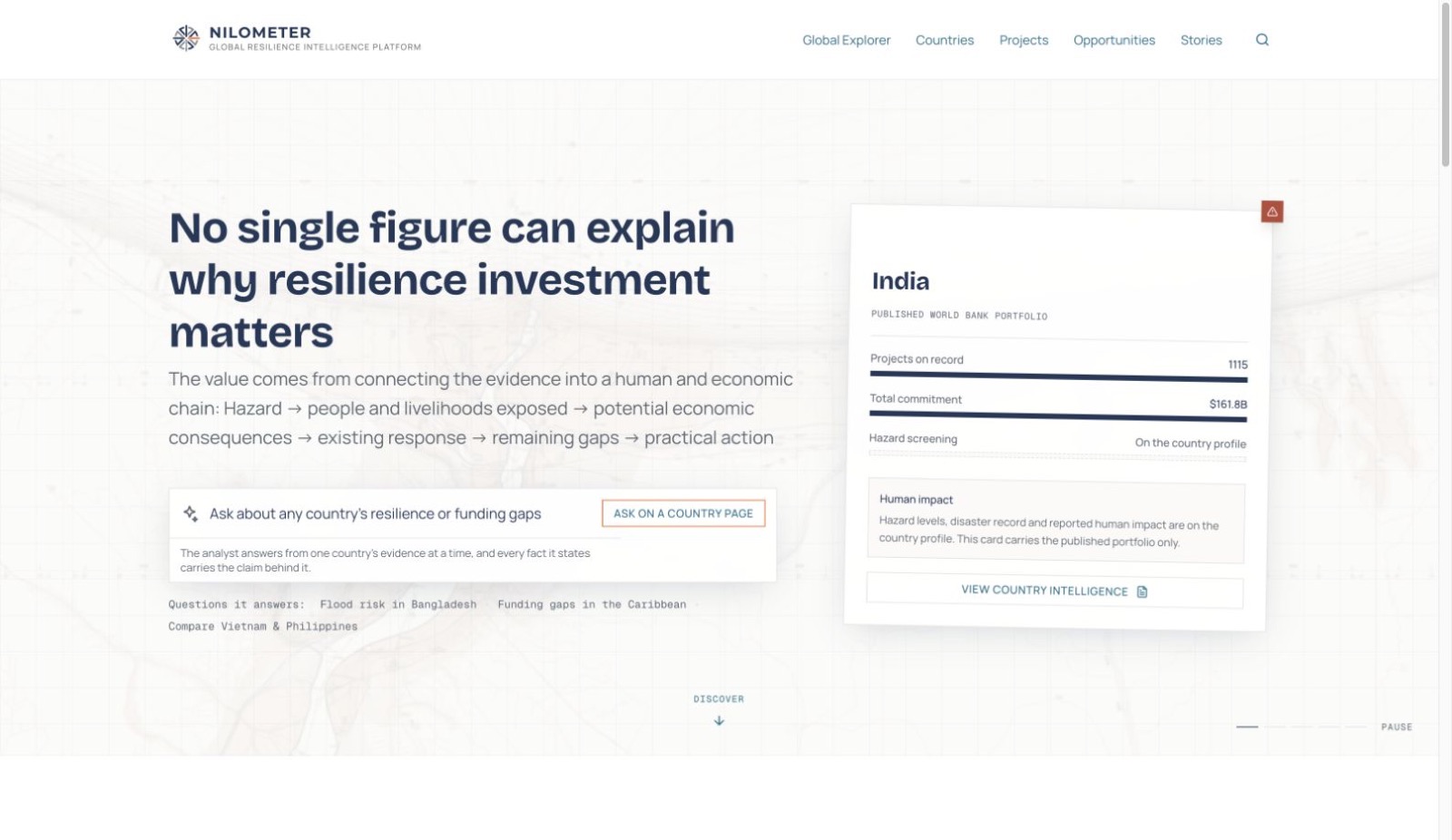 Live platform
NILOMETER
A source-grounded resilience intelligence platform connecting disaster risk, development finance, economic exposure, and human experience across more than 200 economies.
Visit the live platform ↗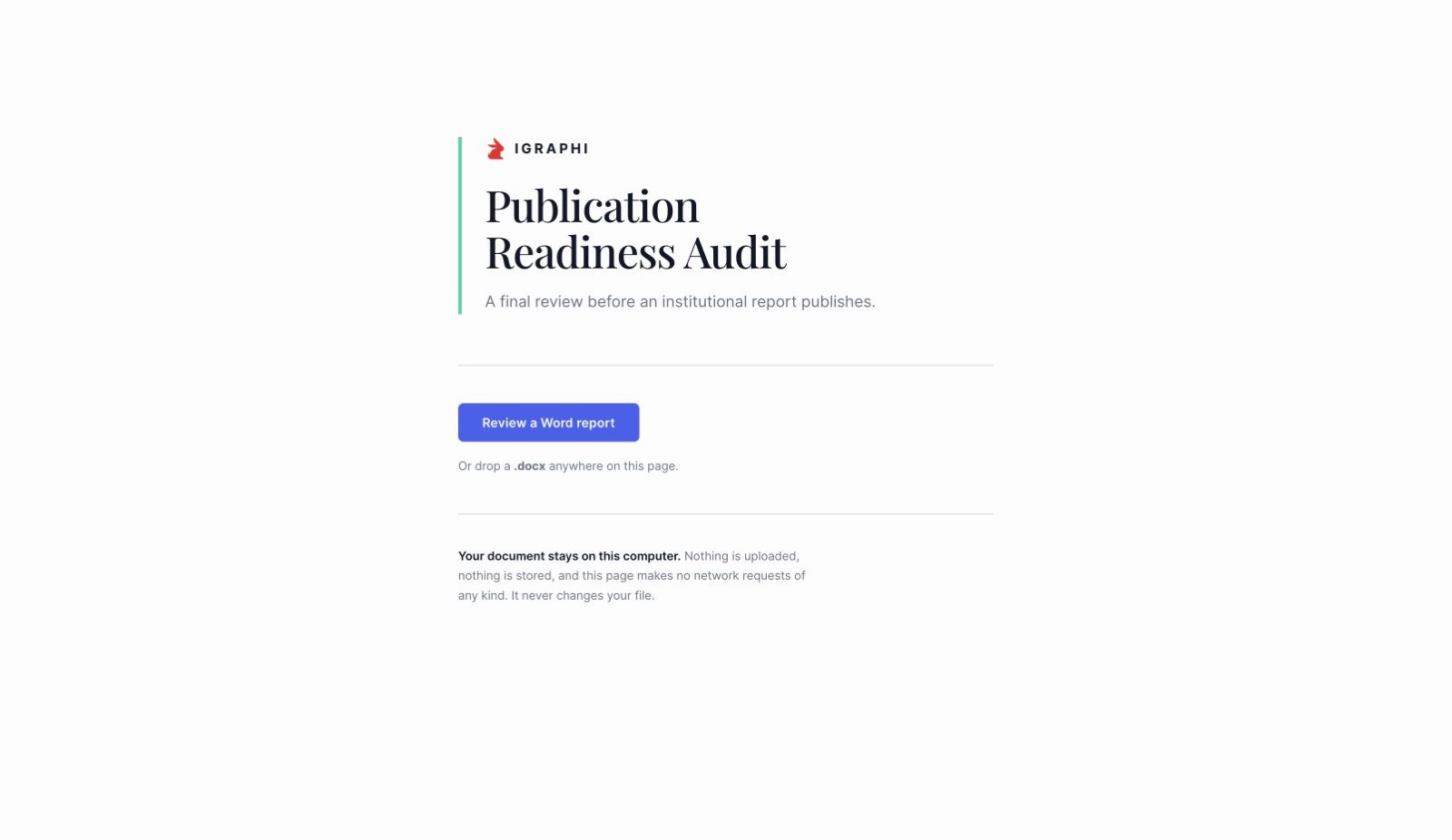 Working prototype · pilot
Publication Readiness Audit
A browser tool that turns publication expertise into a repeatable final review before an institutional Word report goes out. The document never leaves the user's computer and is never changed.
Read the case study →AI accelerates the work. Evidence grounds it. Human judgment governs it.
AI is a controlled tool over evidence—not the source of facts, expertise, or institutional authority. IGRAPHI remains accountable for the source, meaning, tone, visual quality, and final result.
Claims begin with identifiable data, documents, interviews, or institutional sources.
We select appropriate systems for the assignment without allowing one technology provider to define the method.
Important facts, interpretations, recommendations, and final products receive expert review.
Uncertainty, missing evidence, prototype status, and AI involvement are disclosed rather than concealed.
Work that had to hold up
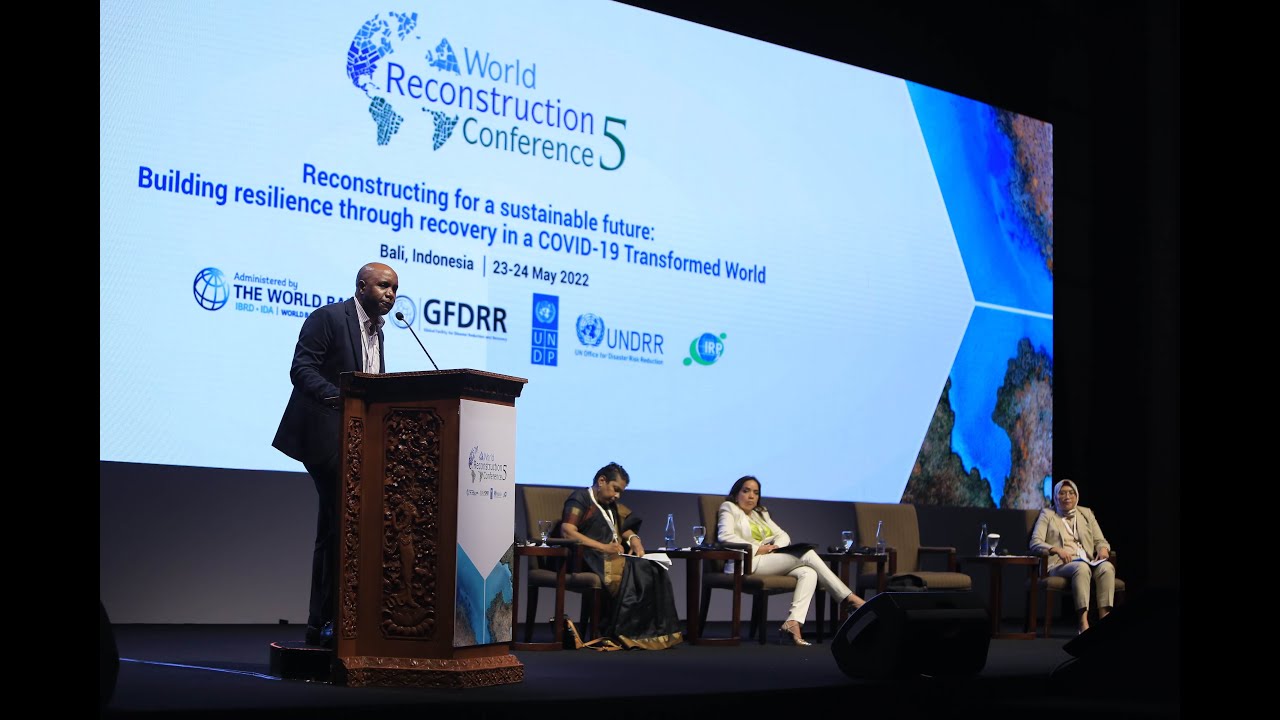
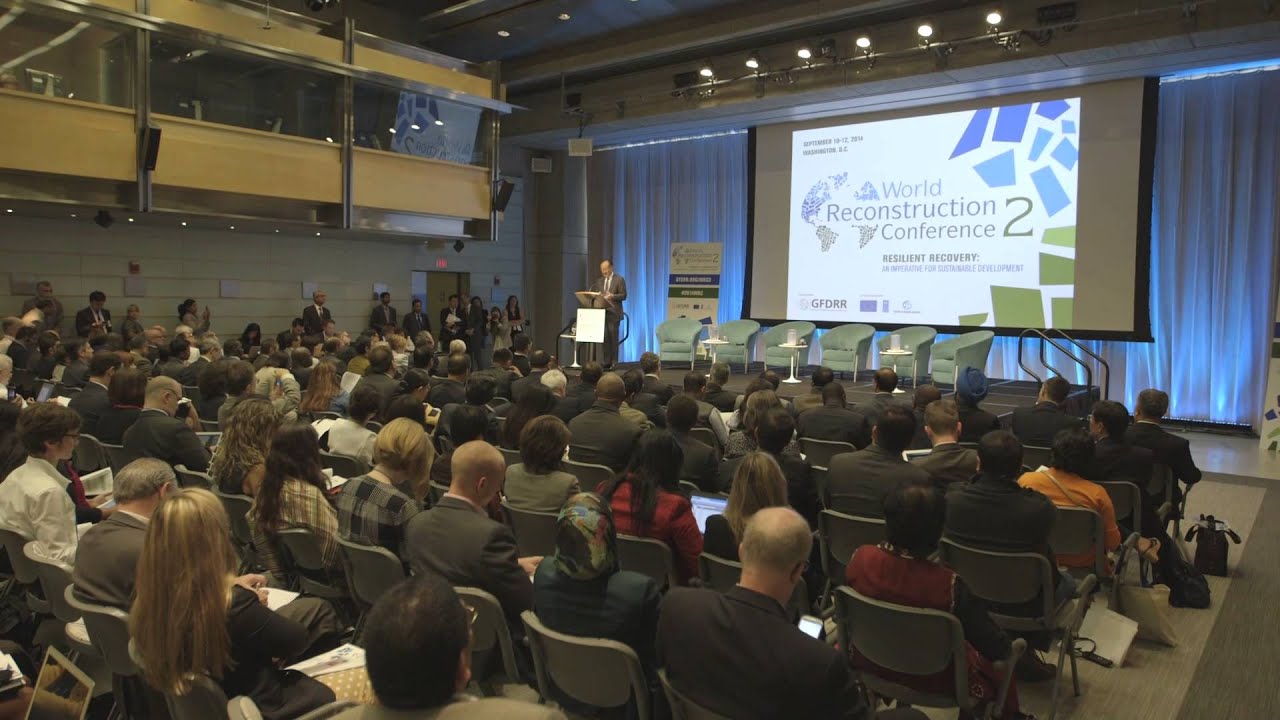
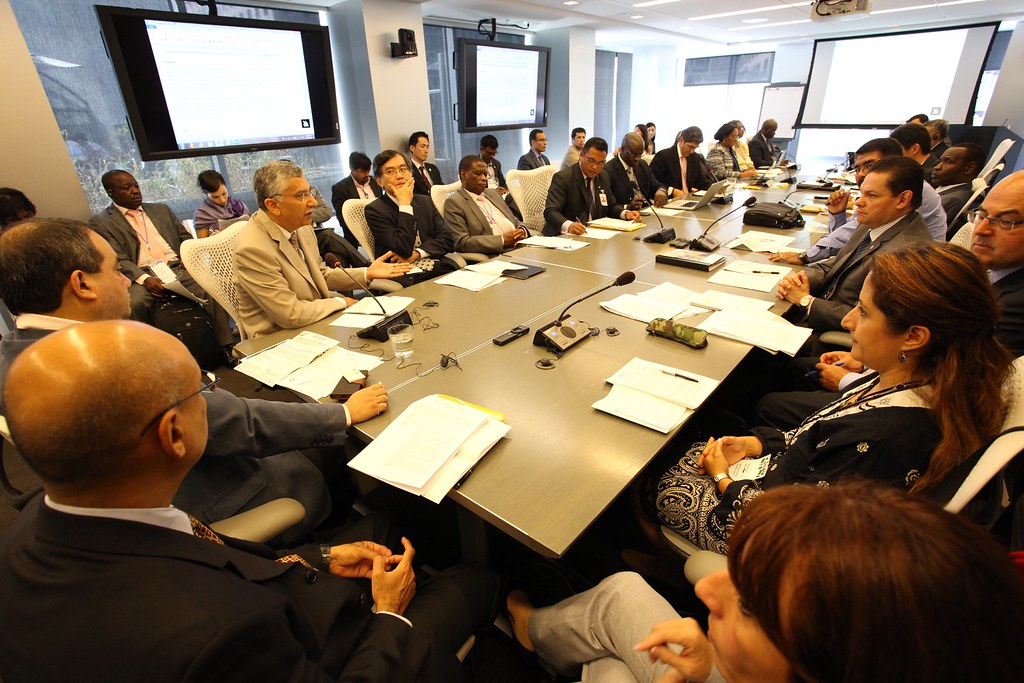
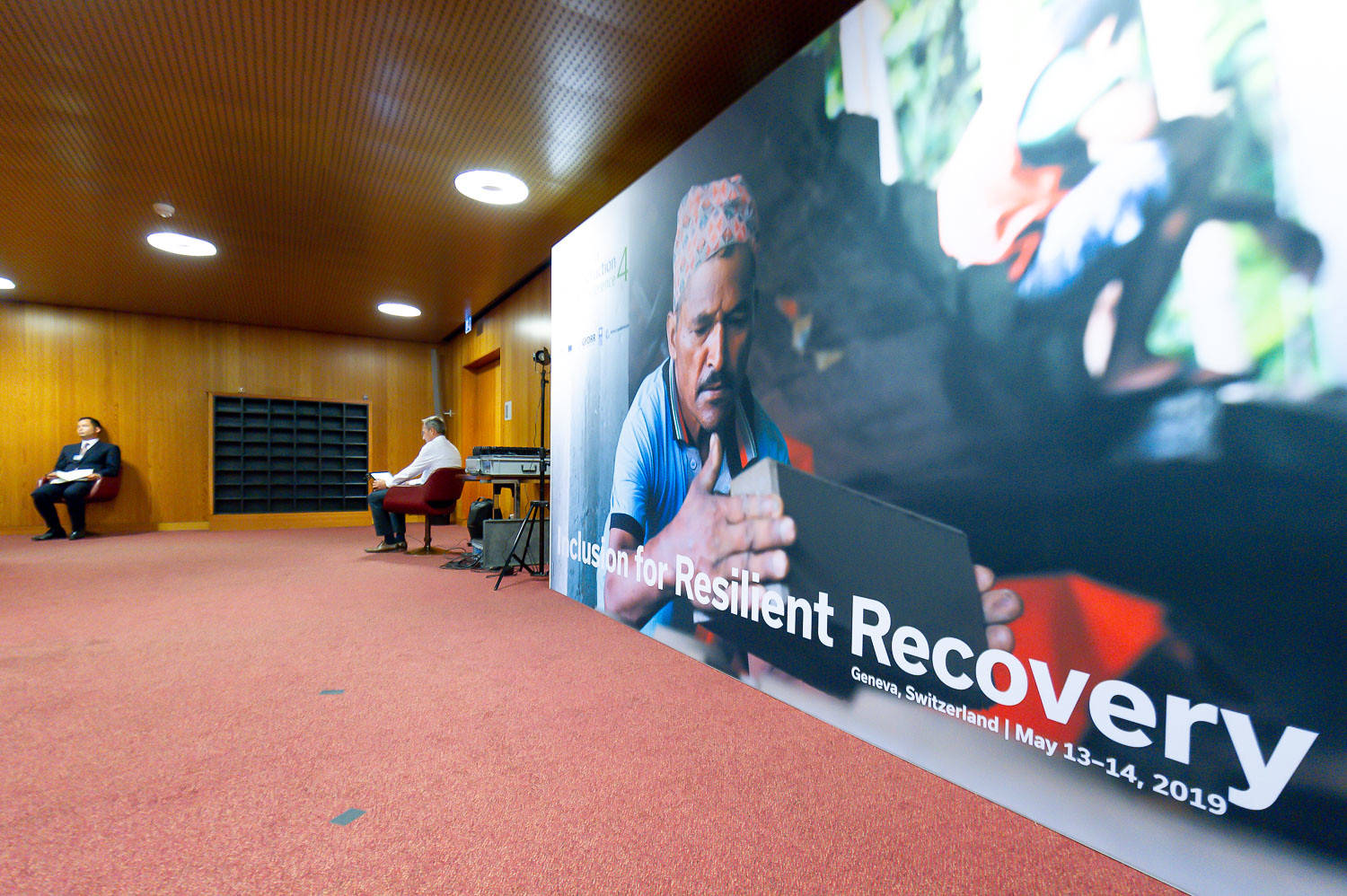
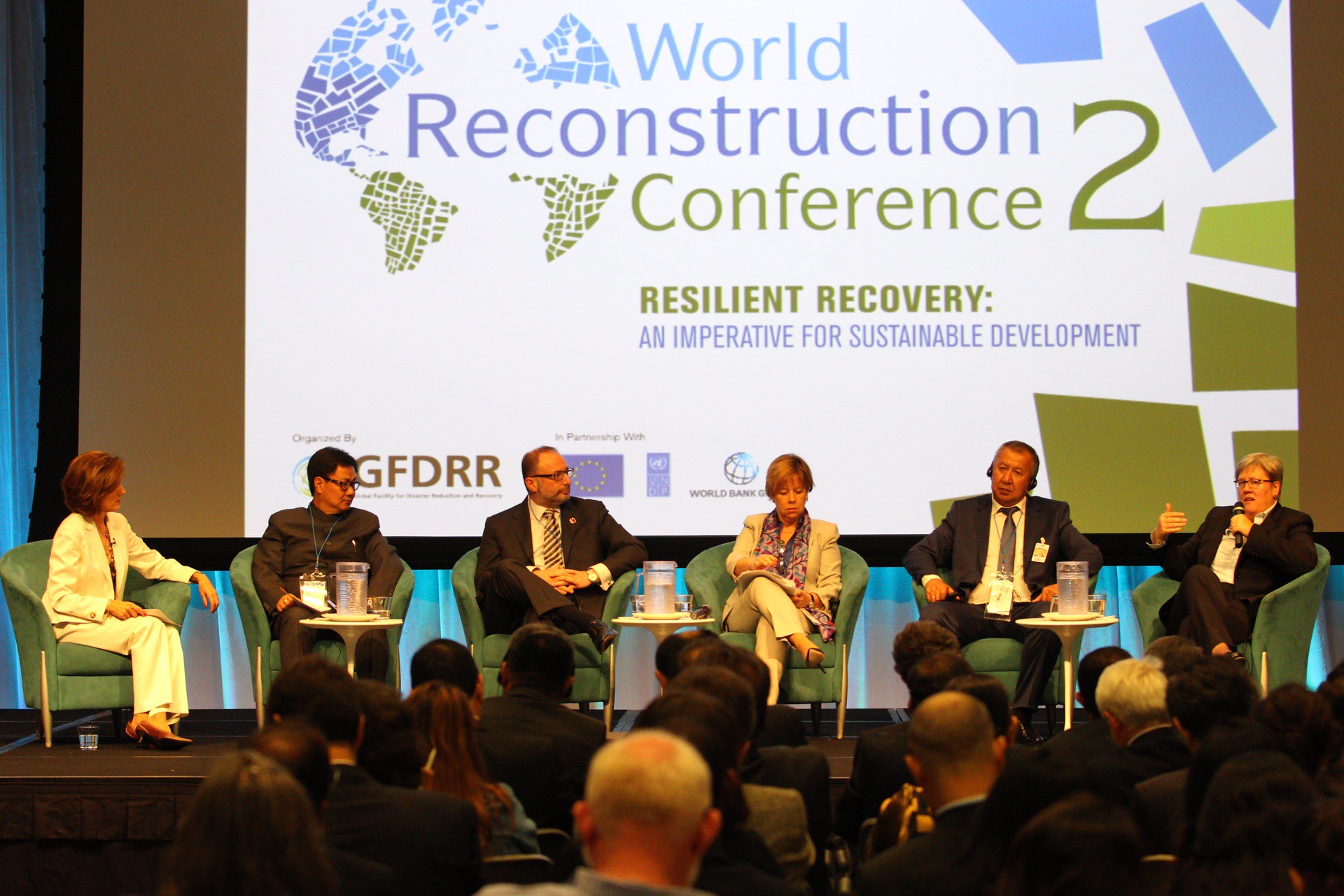
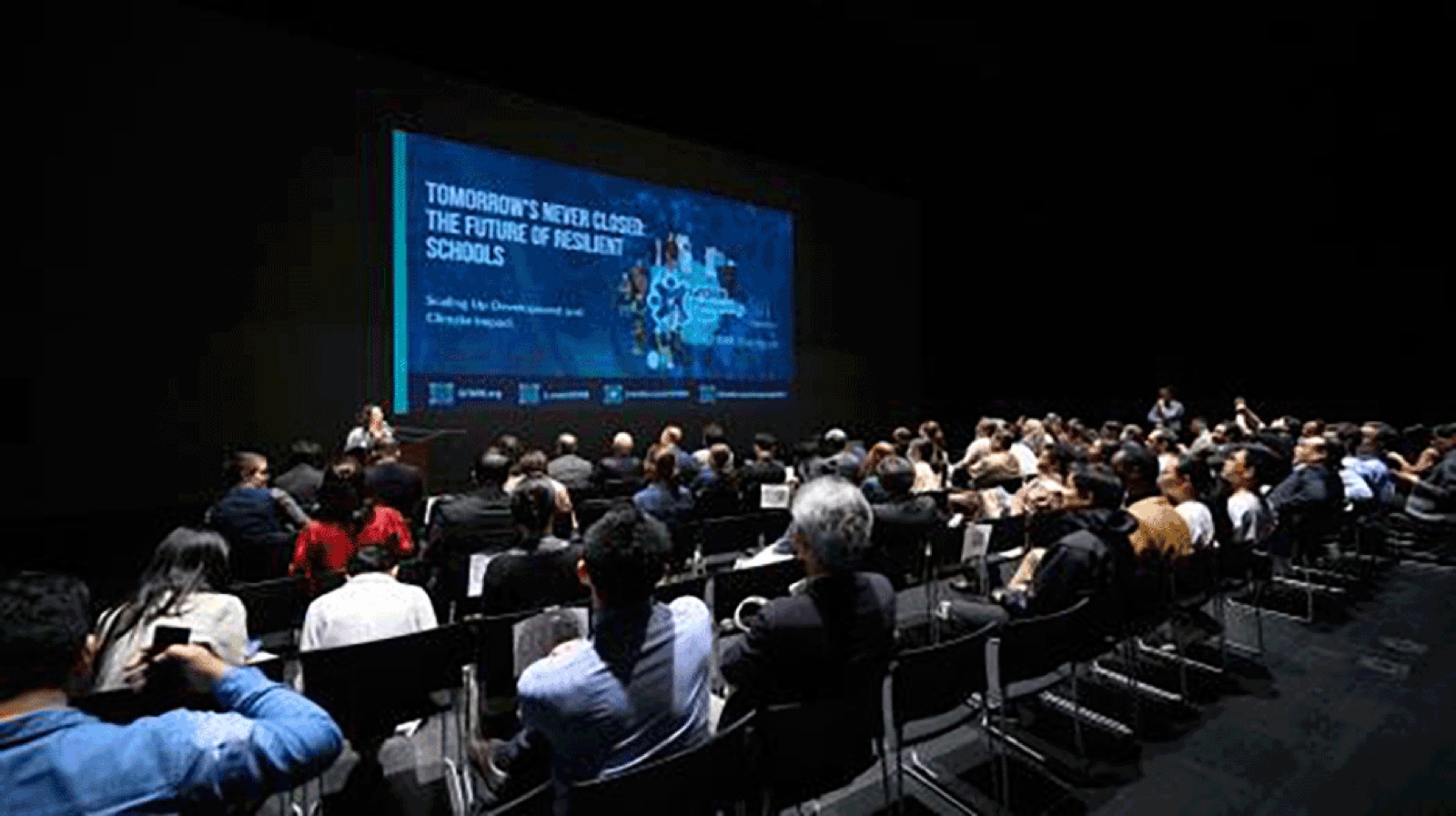
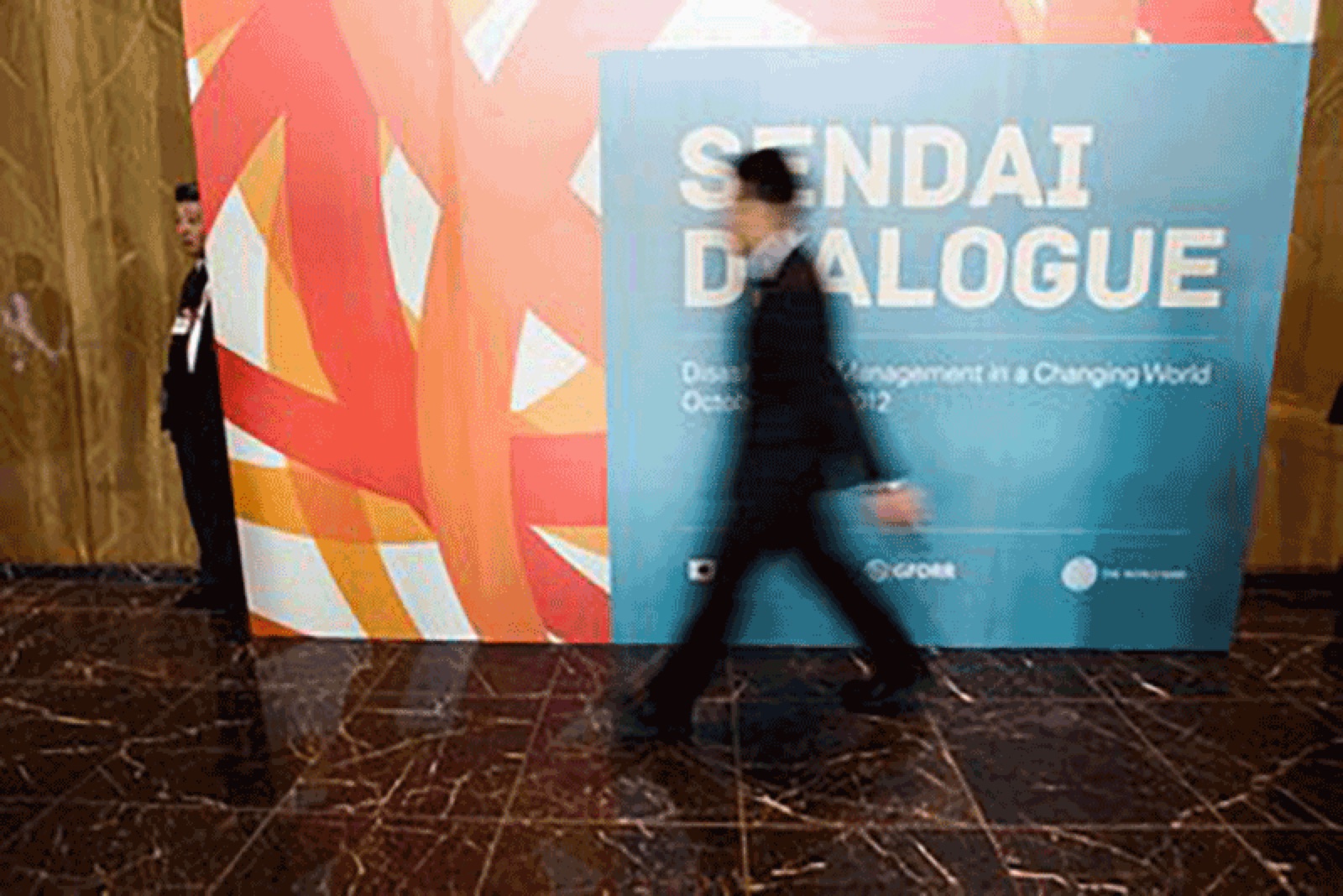
A multi-year conference system serving 50+ partner organizations and 1,000+ delegates per edition.
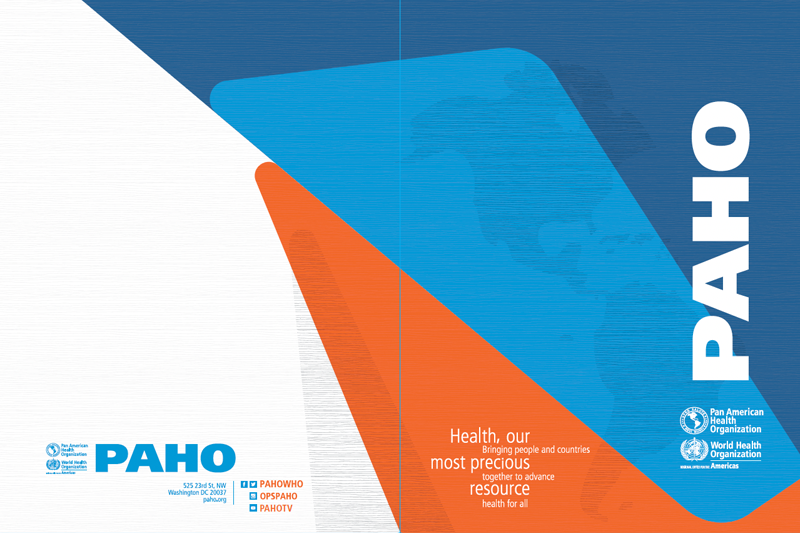
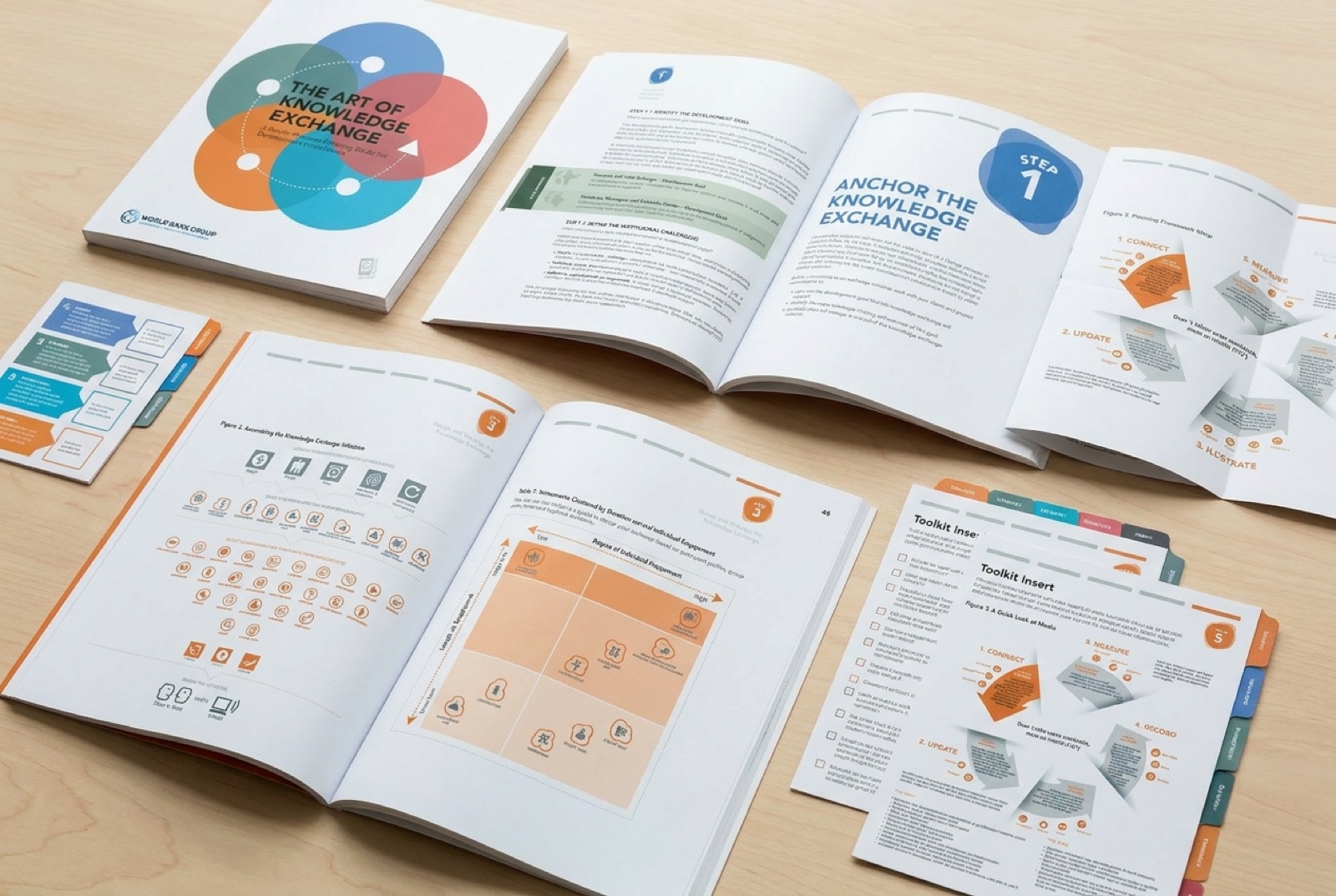
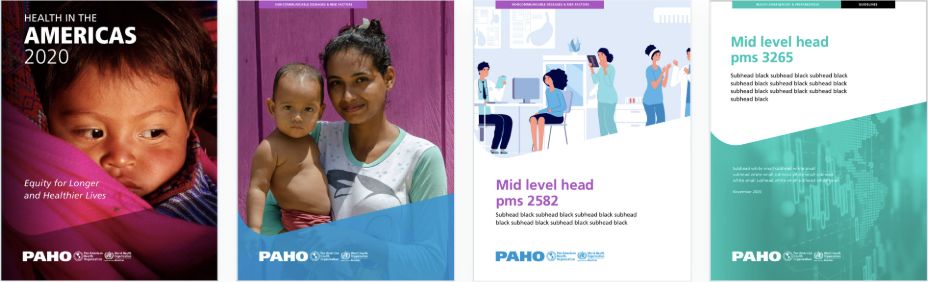
One editorial system across four publication series in Spanish, English, French and Portuguese.

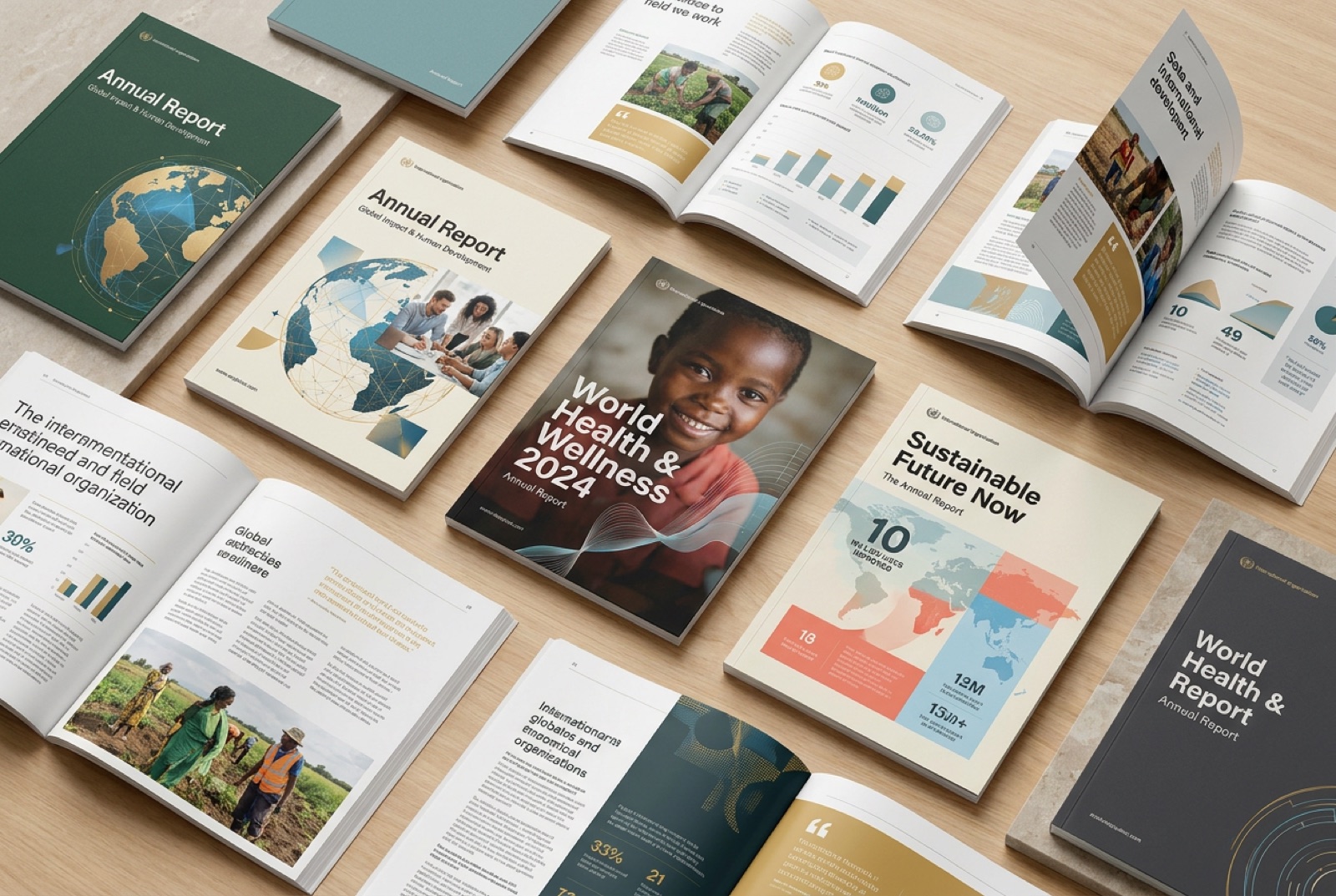
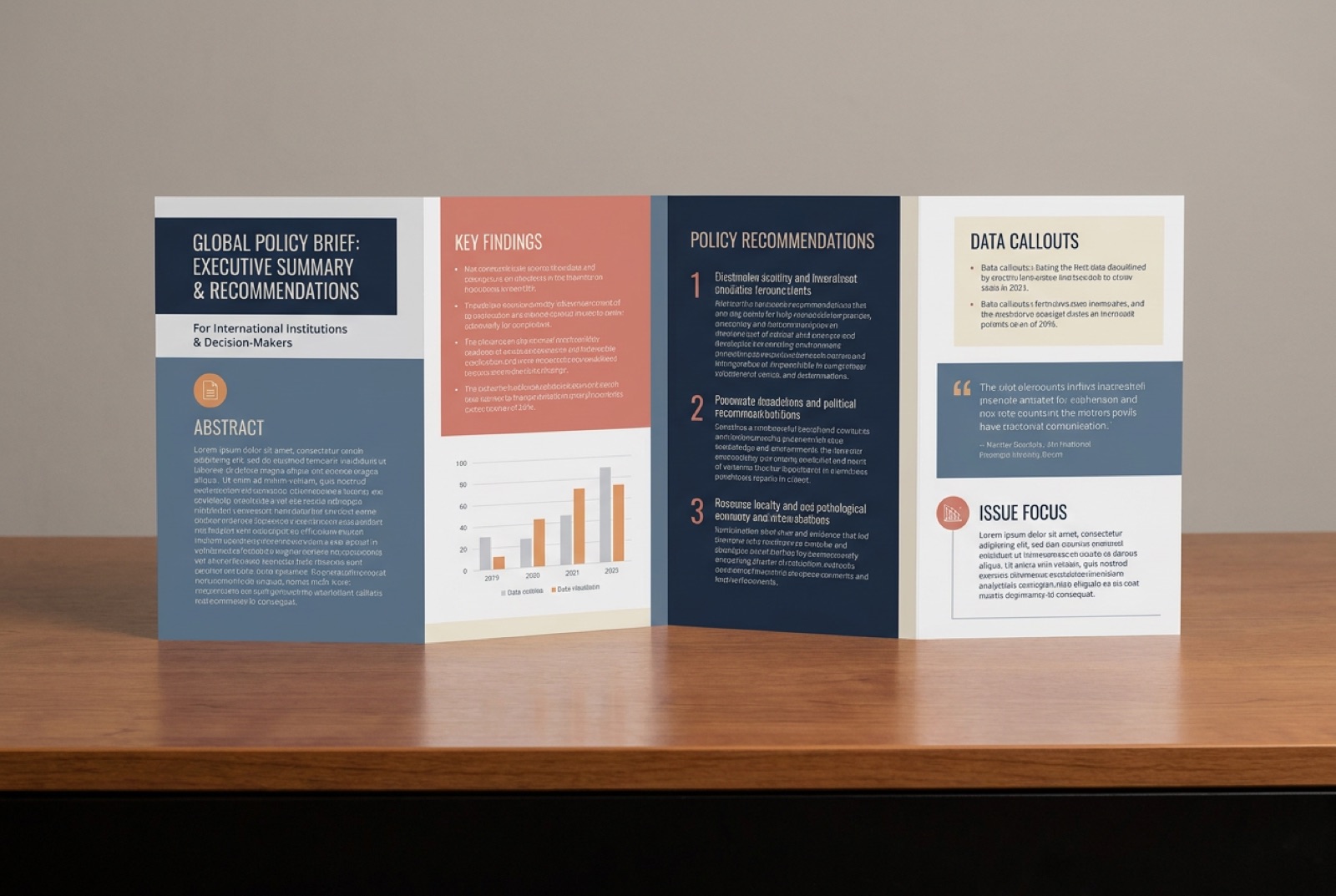
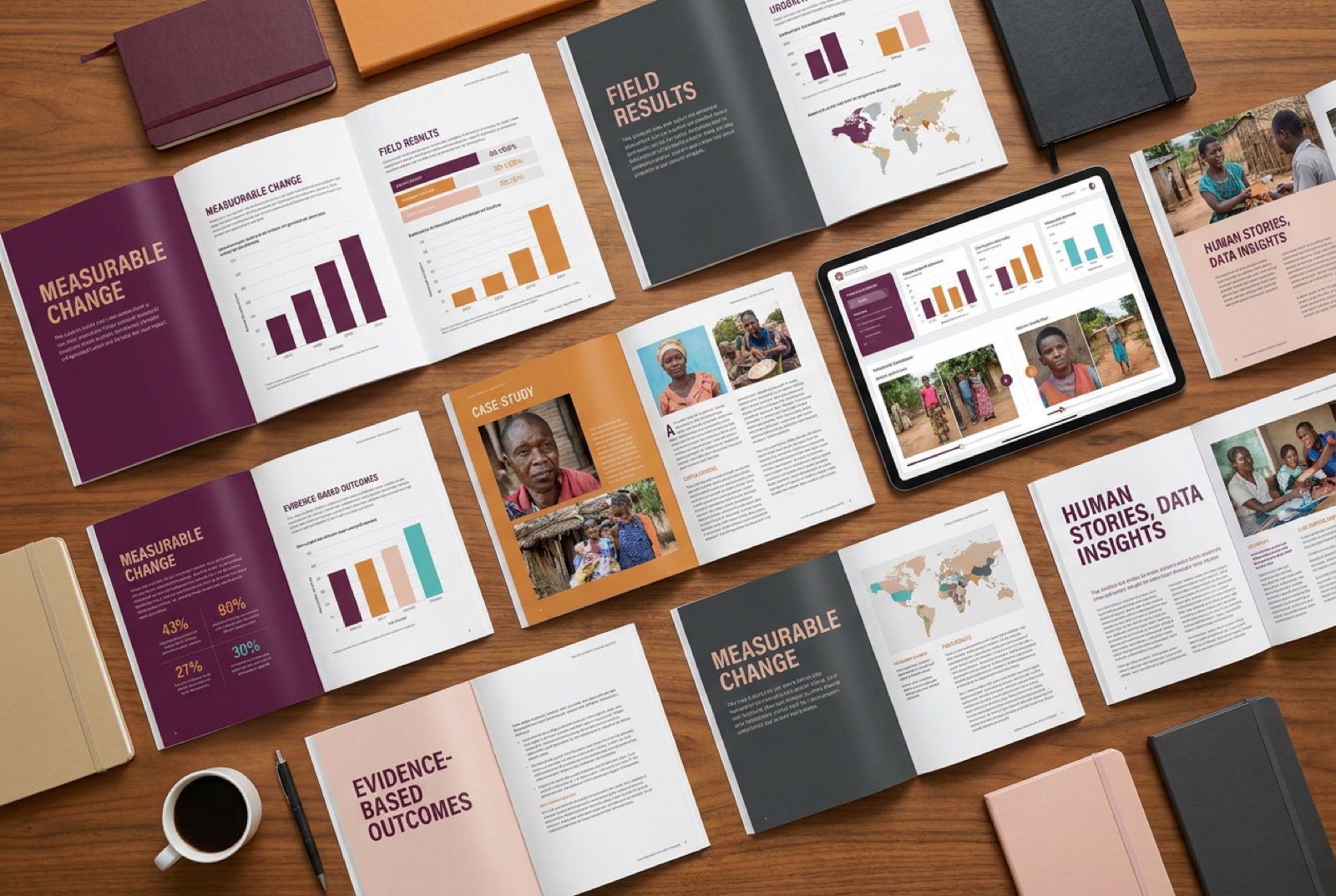
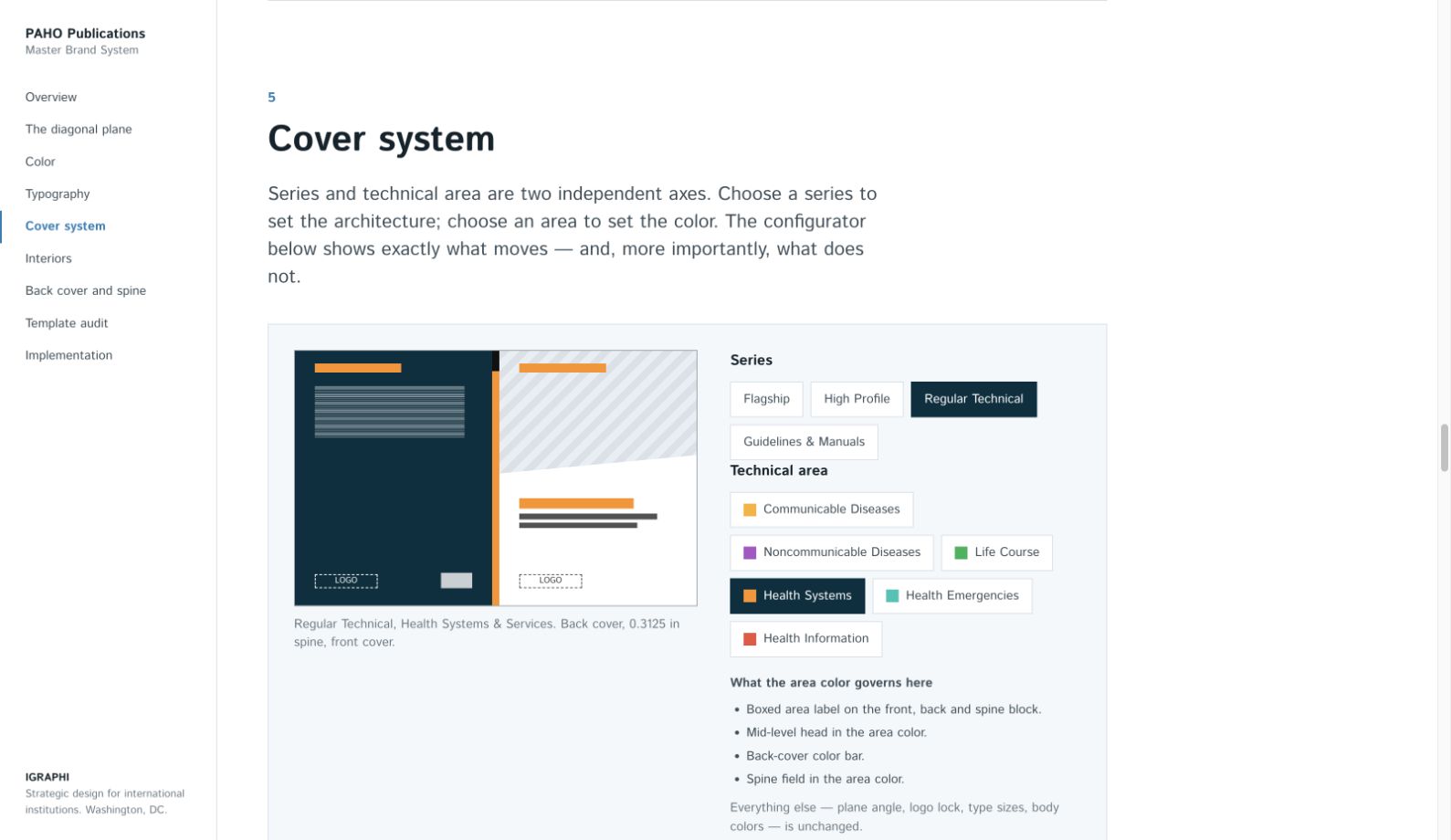
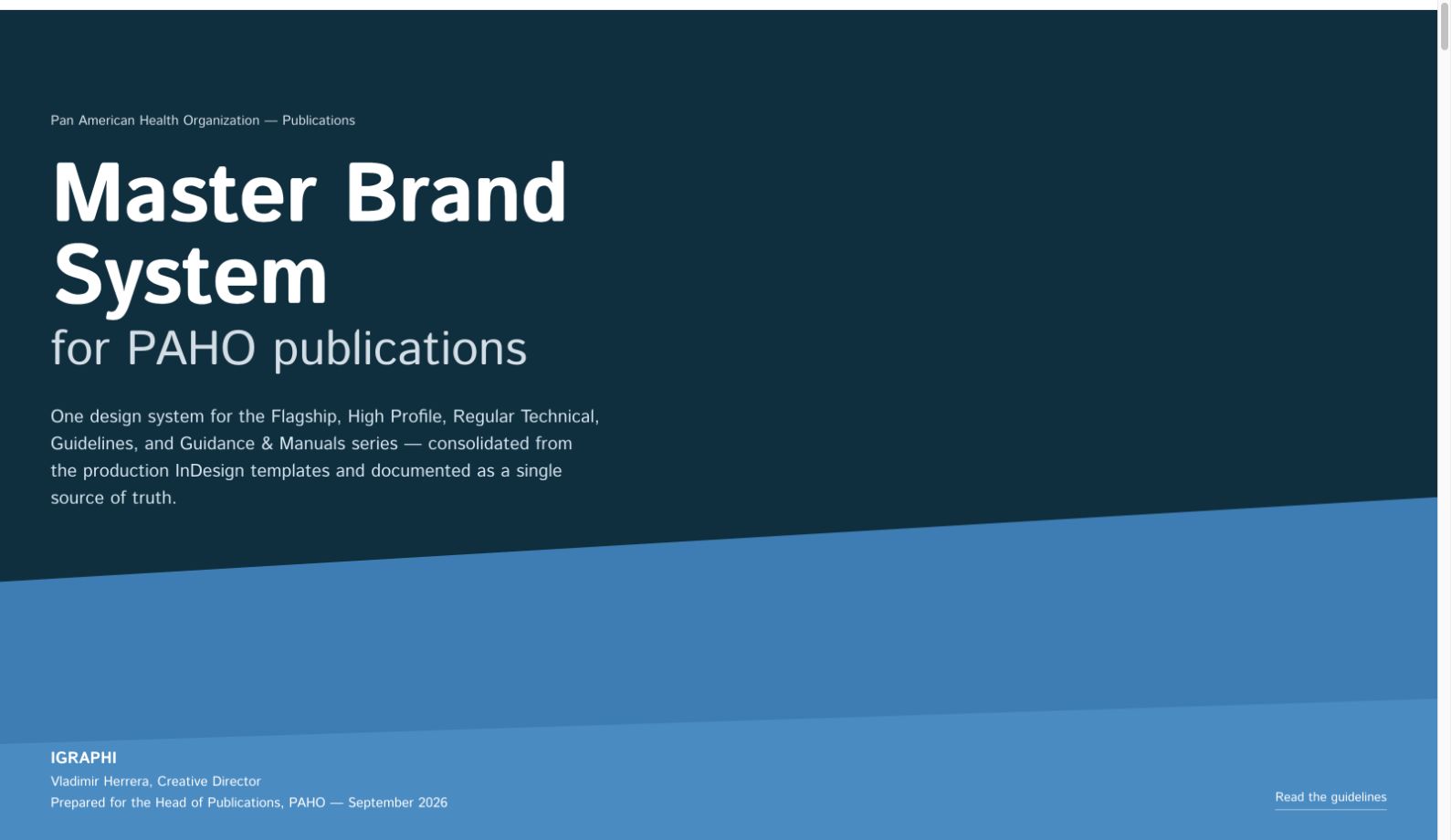
Reusable systems that gave annual reports, policy briefs and technical manuals one clear, consistent standard.
From evidence
to action.
Strategic Communication
Message architecture, audience strategy, executive communication, and visual narratives that help institutions align and decide.
Knowledge & Visual Intelligence
Research synthesis, reports, policy briefs, data storytelling, and multilingual publication systems built for understanding.
AI-Enabled Products & Workflows
Source-grounded assistants, document intelligence, personalized systems, workflow automation, and functional prototypes.
Brand & Digital Systems
Identity systems, websites, campaigns, interactive experiences, and visual frameworks that remain coherent at scale.
Design Rescue: something due soon that needs to look better?
One focused piece: up to 10 slides, up to 4 pages of a report or proposal, one infographic, or one landing page. $750 flat. Delivered in 5 business days. Presentations, proposals, reports, infographics, and visual documents made client-ready by an experienced creative director.
Many partnerships begin with a single Rescue
What clients & colleagues say
"Vladimir has been a trusted creative partner for more than 17 years. He has a remarkable ability to understand complex information and transform it into clear, compelling visual communications. His creativity, strategic thinking, reliability, and commitment to quality have made him an invaluable collaborator across a wide range of projects."
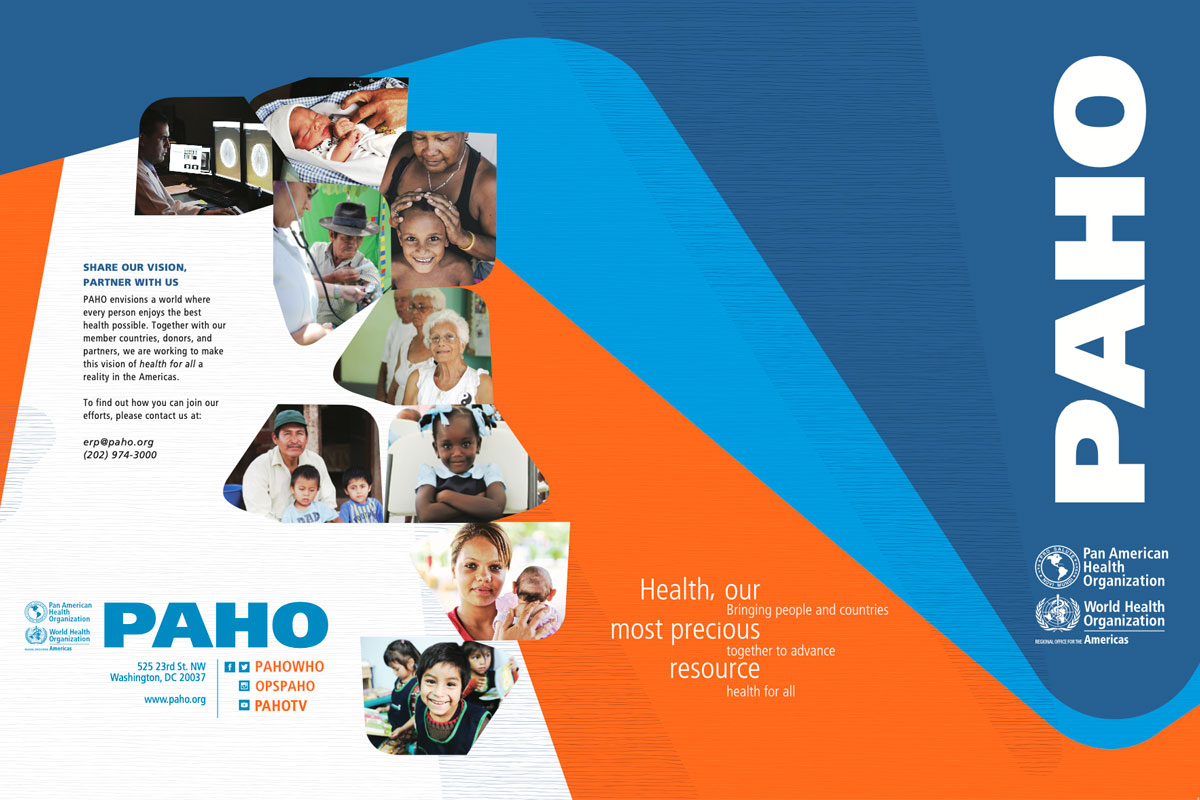
"Vladimir is a very creative and innovative professional. He always brought new and fresh ideas to the team. As a branding consultant, we worked together on the development of the new PAHO/WHO brand."
"His ability to visualize and put into design what is in the mind of clients, supervisors and peers is amazing. I believe Vladimir is one of the most creative and resourceful professionals in his field."
Questions procurement teams ask first
Who is IGRAPHI best suited for?
Teams at international organizations, development banks, global health agencies, NGOs and public-sector programs that need complex evidence turned into reports, presentations, visual systems or digital tools people can understand and act on.
How can we contract IGRAPHI?
Through a direct quote or RFQ, a formal RFP response, vendor registration, or a monthly retainer. IGRAPHI supports PO-based billing and vendor onboarding and can structure work to fit your procurement rules.
What does it cost?
A Design Rescue is $750 flat for one focused piece: up to 10 slides, up to 4 pages of a report or proposal, one infographic, or one landing page. Monthly retainers start at $2,500. Larger engagements are scoped and quoted after a conversation. You can get an instant price range from the Project Estimator.
How fast can you turn work around?
A Design Rescue is delivered in 5 business days from when I confirm the scope, with two rounds of revisions. Retainer pieces follow a 3–5 business day standard turnaround. New requests get a reply within 12 hours.
Who actually does the work?
Vladimir Herrera, founder and creative director, with 30 years of practice and 17+ years supporting World Bank teams. AI tools handle volume. Every decision on meaning, accuracy and final quality is his.
How do you use AI, and is our material safe?
AI is used for drafts, options and comparisons, never as the source of facts. Claims are checked against approved evidence and reviewed before delivery. The Project Estimator extracts file text locally, so files never leave your device. Confidentiality terms can be set to match your institution's requirements.
Can you work in multiple languages?
Yes. Publication and event systems have been delivered in Spanish, English, French and Portuguese.
Can you work alongside our in-house team?
Yes. IGRAPHI can lead a project end to end, extend an internal communications team, or build templates and systems your staff use themselves.
Something else? Email vherrera@igraphi.com